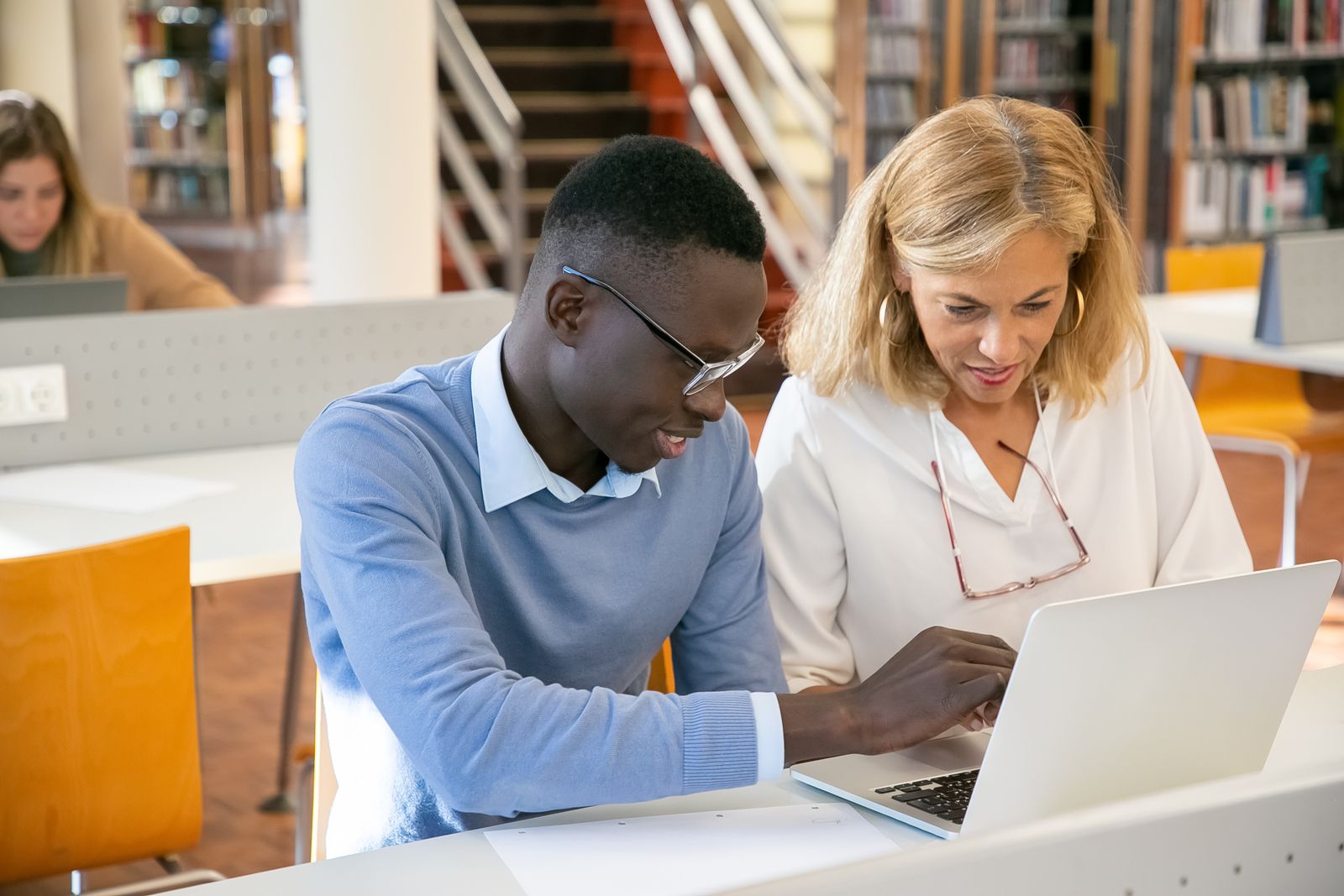
Program 01
Digital Skills & Access
The practical essentials: using a device, navigating online, staying safe, and handling the forms and applications that daily life now requires. Taught in the places people already go.
We teach digital skills in the communities that need them, develop local leaders to carry that knowledge forward, and help organizations turn their audiences into people who take action.
Having a connection is not the same as being able to use it. A job application that will not open on a phone. A benefits portal that logs you out before you finish. A password reset that requires an email account you lost access to years ago. Access opens the door. What happens after that is where opportunity is won or lost.
Someone who finished our class last spring is teaching it this fall. She knows which buildings have weak signal, which families are hardest to reach, and how to explain something to a neighbor who is embarrassed to ask. That knowledge is what makes the model work.
Each step makes the next one possible, and every person who moves through the cycle makes it easier for the person behind them. That is how a community builds something it can hold onto.
Connecting a household is the first step, not the finish line. What decides whether that connection changes anything is whether the person on the other end knows what to do with it.
of job postings require some level of digital skill. Fewer than one in ten ask for none at all.
National Skills Coalition, 2023, from 43 million job postingsof adults earning under $30,000 a year have home internet, compared with 94 percent of those earning over $100,000.
Pew Research Center, 2026adults in the United States rely on a smartphone as their only way online. Among adults earning under $30,000, it is closer to one in three.
Pew Research Center, 2026of adults score at the lowest level when asked to solve an everyday problem using technology.
National Center for Education Statistics, 2024higher pay for a worker who gains a single digital skill. That is roughly $8,000 more a year from one skill.
National Skills Coalition, 2023Mississippi ranks last among the states for households with internet, though it has gained nearly 12 points since 2019.
SHADAC analysis of Census data, 2026People need skills and the confidence to use them. Organizations need a real way to reach people and move them to act. Build one without the other and progress stalls. Build both and each one strengthens the other.
Practical training in places people already trust
The people who learn become the people who teach
An audience becomes members who take action
Online participation that shows up in person
DEAP began in Mississippi. It is where our longest relationships are, and where we tested this work before it had a name.
700 Hall Ave will be a place people can walk into. Classes will meet there. Neighbors will train there to become the people who teach the next group. And when someone's computer finally gives out, there will be a desk, a connection, and a person willing to sit with them until it makes sense.
Opening soon in Hattiesburg, Mississippi.

Skills for individuals. A path into leadership for the people who want it. And the capability organizations need to bring people together and move them to act.
The practical essentials: using a device, navigating online, staying safe, and handling the forms and applications that daily life now requires. Taught in the places people already go.
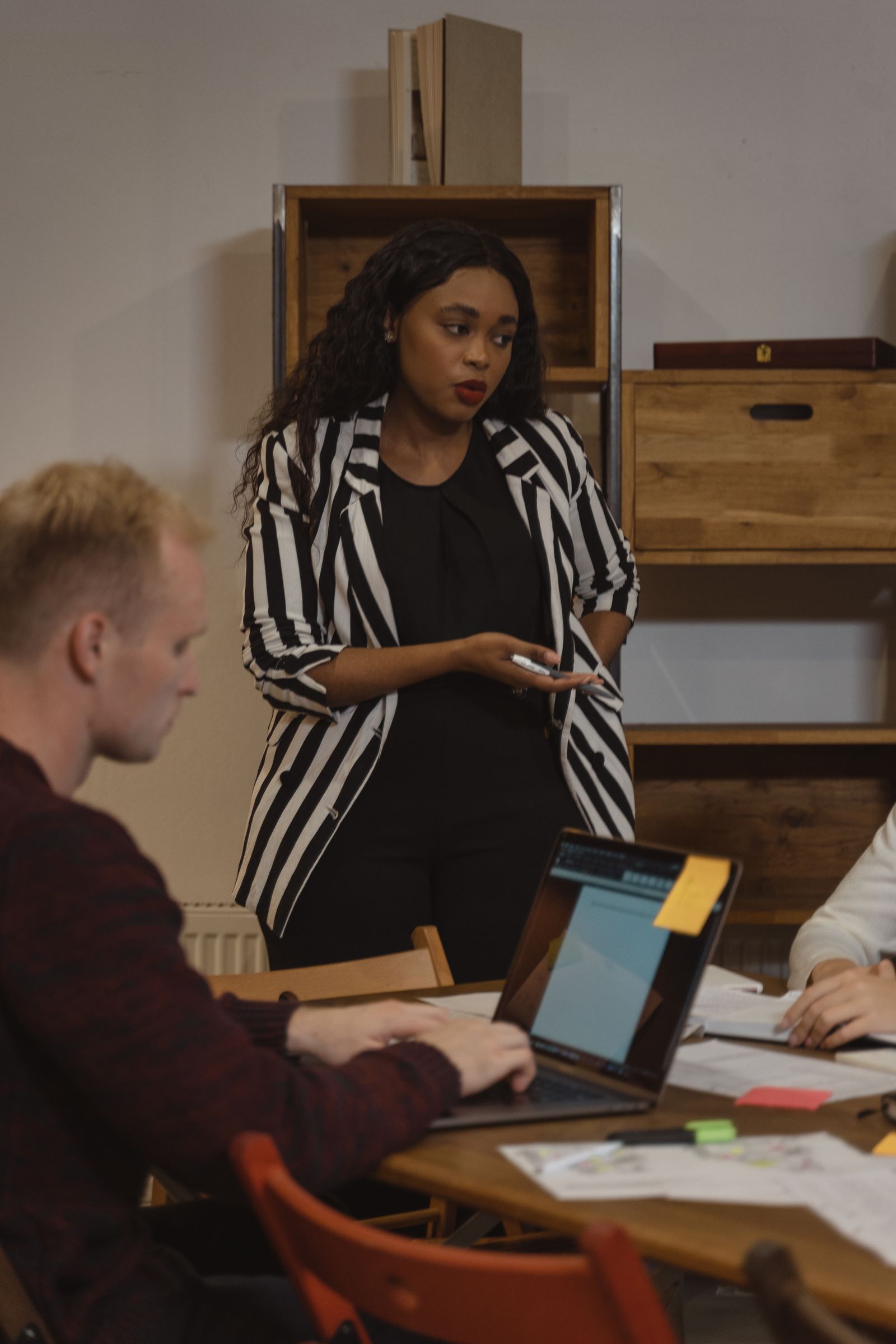
Graduates become the navigators, instructors, and trusted local experts their neighbors turn to. These are real roles with real responsibility, and we pay for them where funding allows.
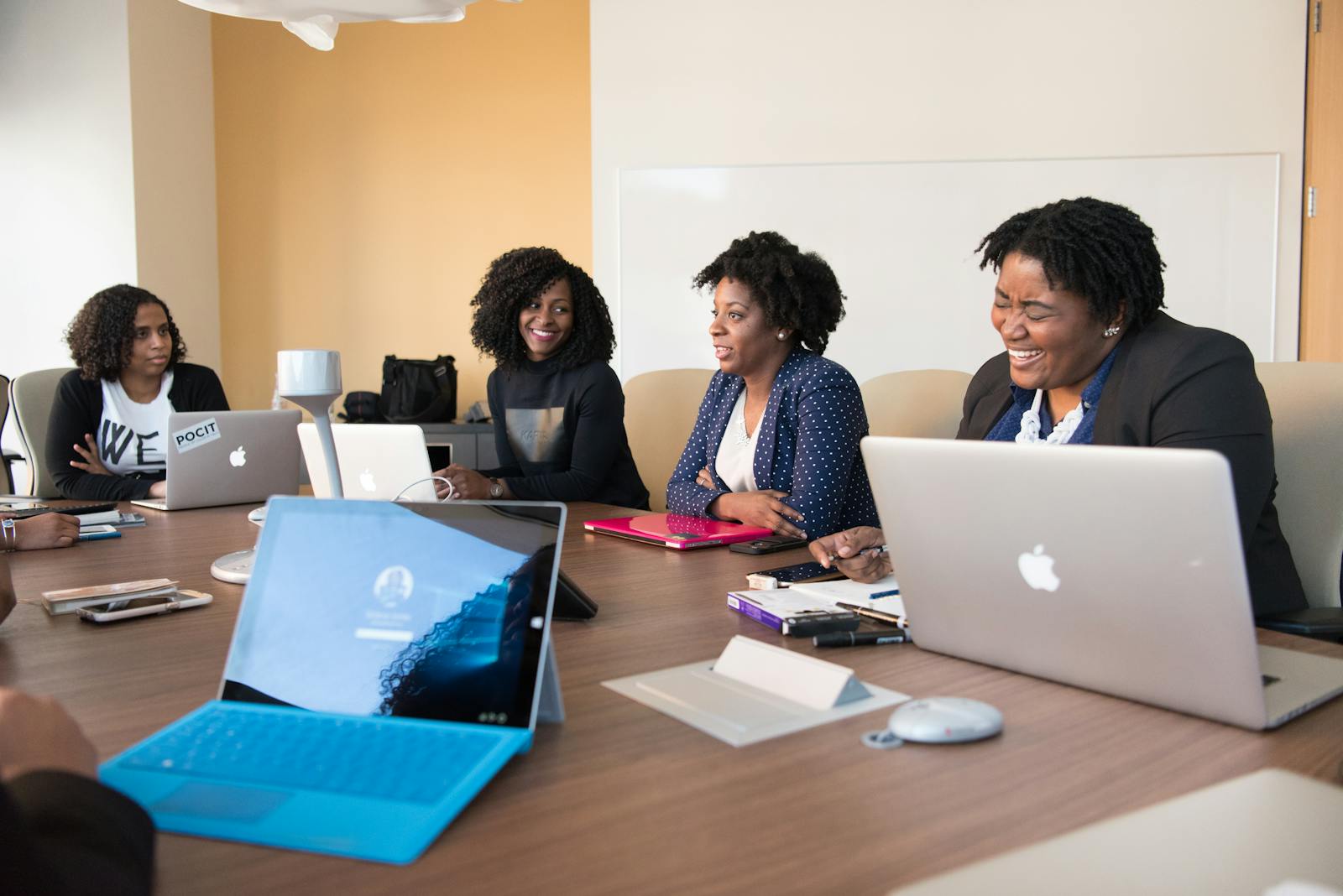
We help organizations turn an audience into a community, and then help that community take action. We call it DCBMM.
A society where every community has the tools, the knowledge, and the power to take action. What we are working toward
Bring a program to your community, train your organization, or partner with us on the work.